

Do Flash Drives Lose Weight When Full?
Exploring the surprising physics behind flash drives, how data storage actually works, and the mind-bogglingly small weight changes caused by filling them with data.

Flash drives—those handy little tools that let us carry gigabytes (or terabytes) of data in our pockets—are marvels of modern engineering. But did you know that filling a flash drive with data actually makes it lighter?
Yes, that’s right. When you add files to a flash drive, its weight decreases—but only by an unimaginably small amount. Let’s explore the physics of how data storage works, where the electrons go, and how much weight is truly lost when filling up something like a 2TB flash drive.
How Does Data Storage Work?
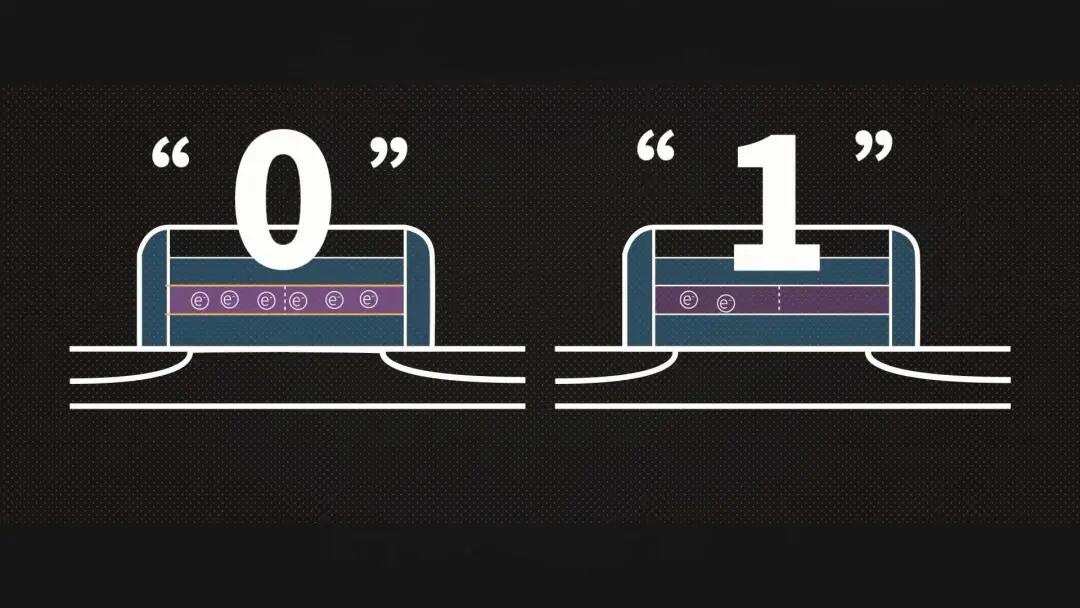
Flash drives rely on NAND flash memory, a type of non-volatile storage. This means your data remains intact even when the device is powered off. At the core of NAND flash memory are floating-gate transistors, tiny structures that store and manipulate data sby moving electrons.
Structure of a Floating-Gate Transistor
Control Gate: The interface for reading and writing data.
Floating Gate: A small, insulated pocket where electrons can be trapped.
The presence (or absence) of electrons in the floating gate determines whether the memory cell represents a binary 0 or 1, the fundamental units of digital information.
Where Do the Electrons Come From—and Go?
Electrons don’t magically appear or disappear; they are redistributed from one part of the transistor to another. Here’s how:
When Writing Data (Storing Electrons):
Electrons are pulled from the surrounding circuitry or memory cell through the application of a high voltage. These electrons are driven into the floating gate via quantum tunneling, a process where electrons pass through a thin insulating barrier, and they become trapped there.When Erasing Data (Removing Electrons):
The process is reversed. A high voltage of the opposite polarity is applied, pulling the trapped electrons out of the floating gate and redistributing them back into the surrounding system.
Effectively, the electrons never leave the flash drive itself—they are simply moved within its internal structure. However, since the data-writing process requires pulling electrons from other parts of the memory cell, the areas that lose electrons become microscopically lighter.
NAND Flash Memory: Not Just in Flash Drives
NAND flash memory isn’t just in USB drives. It’s a cornerstone of modern storage technology.
Solid-State Drives (SSDs):
SSDs in laptops, desktops, and servers use the same NAND flash technology, but on a much larger scale. They’re faster, more durable, and quieter than traditional hard drives because they have no moving parts—just billions of transistors storing data.Smartphones and Tablets:
Your phone’s internal storage? That’s NAND flash memory too. It enables devices to store vast amounts of data in compact, lightweight designs.Other Applications:
NAND is also used in memory cards for cameras, embedded storage in IoT devices, and even high-capacity enterprise storage systems.
These technologies all rely on the same principle: using electrons to encode information.
How Much Lighter Does a 2TB Drive Get?
Let’s do the math to find out.
Bits in a 2TB Flash Drive:

Electrons Moved per Bit:

Mass of Electrons:

Convert to Grams:




That’s 146 picograms, or 0.000000000146 grams. To put that in perspective, it’s about a billionth of the weight of a single grain of sand.
How Much Data to Lose 1 Gram?
Now for the fun part: how much data would it take to lose a full gram?
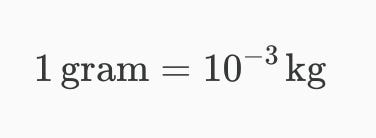
Mass of 1 Gram in Electrons:
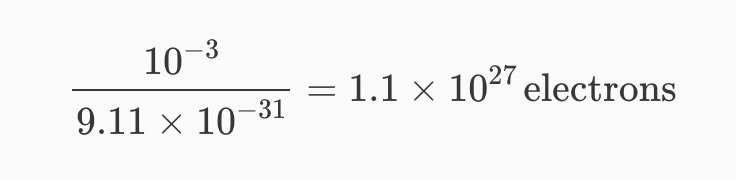
Number of electrons required:
Bits Required:
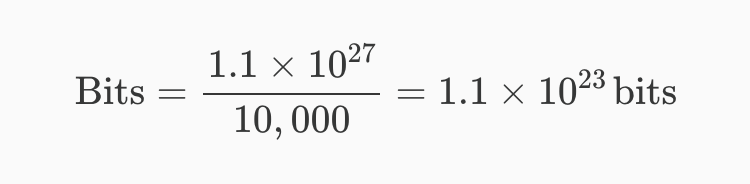
Terabytes Required:


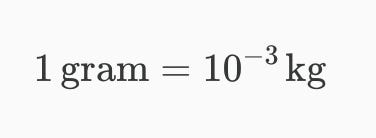
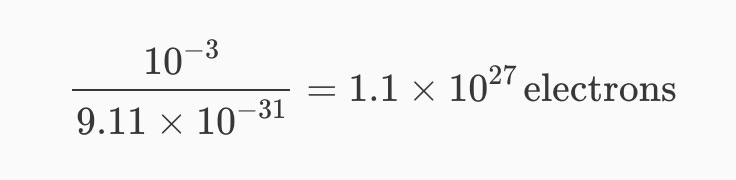
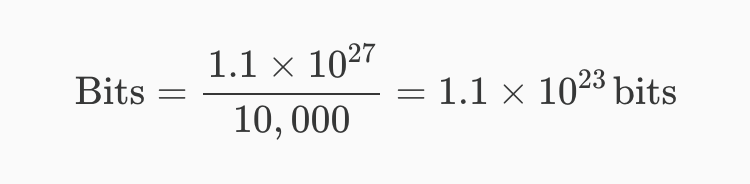


To lose just 1 gram, you’d need 13.75 billion terabytes of data storage—more data than humanity has ever produced!
The Weightless Wonders of Modern Storage
So, do flash drives lose weight when full? Yes, but only by an almost imperceptible amount. The science behind this is a testament to the incredible precision of modern technology.
What’s more, NAND flash memory—whether in your flash drive, SSD, or smartphone—is a shining example of how we’ve learned to manipulate matter on an atomic scale to serve our digital world. It’s not just storage; it’s physics at work.
Fascinating, isn’t it?